



The transfer portal, NIL, and tampering are the names of the game in today’s college football landscape, and the Tulane Green Wave met that harsh reality this offseason.
Head coach Jon Sumrall brought in 27 new players from the transfer portal to Tulane football, demonstrating a reciprocal relationship.
However, it doesn’t erase the sting of unanticipated departures that were likely in the works prior to the 2024 regular season ending.
The most plausible situation is the case of Darian Mensah, who entered the portal upon its opening in December. Within 48 hours, ESPN’s top-rated player transferred to the Duke Blue Devils.
Mensah is now one of the highest NIL earners in college football, with a deal reportedly worth $3–4 million for next year.
Sumrall has shared that the Green Wave were not expecting his sudden exit, and it left the team in a challenging spot ahead of their bowl game against the Florida Gators.
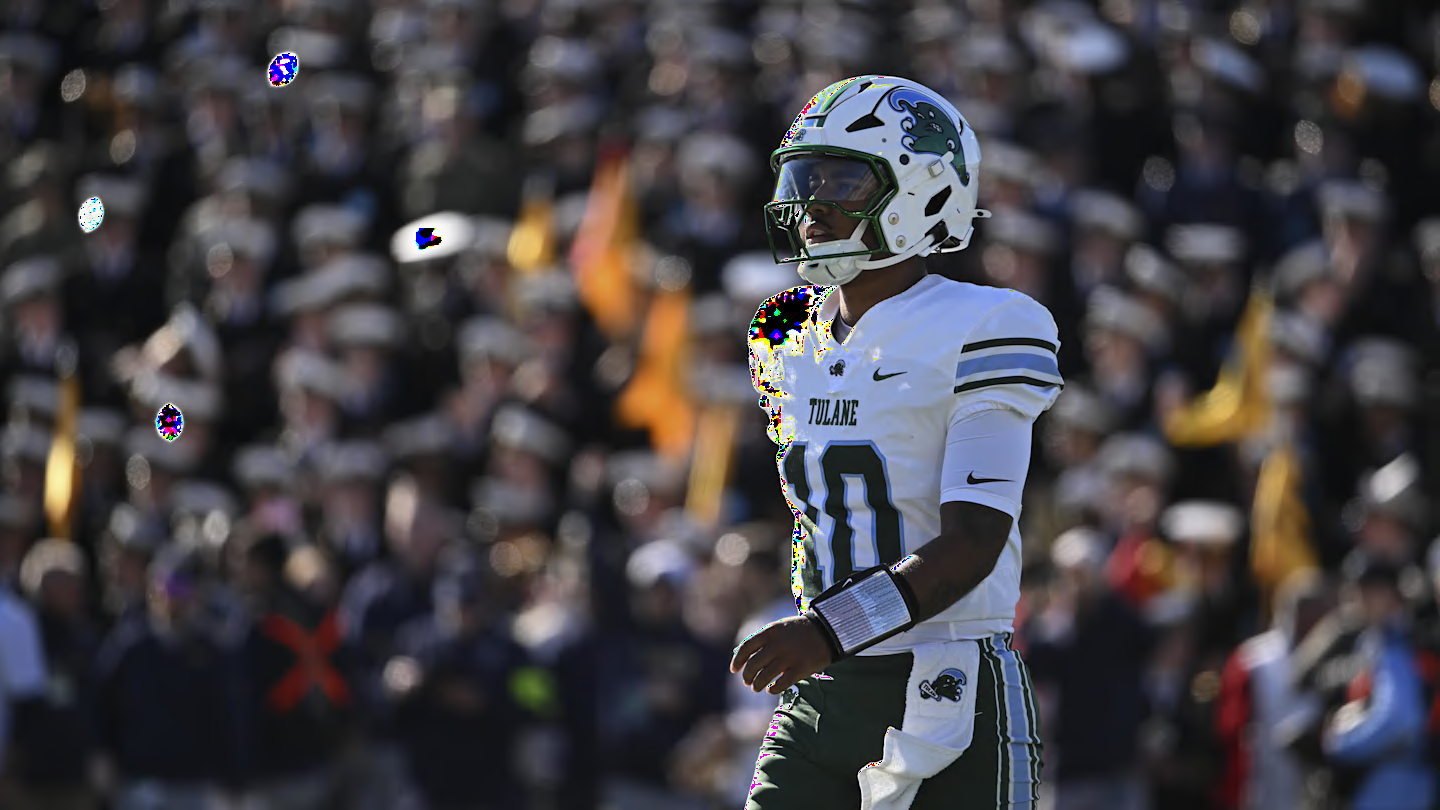
It was a stunning defensive performance that could’ve seen an upset if Tulane had the pedigree necessary at starting quarterback.
Pete Nakos with On3 has done an extensive series on the state of college football through surveying anonymous Power 4 personnel staffers and NIL collective members.
He included agents as crucial sources in his most recent report on how tampering has changed coaching, strategy and roster retention.
All the sources had a universal consensus that tampering was a disaster, but an unavoidable one if programs want to compete. Schools are going to poach rosters, and it’s the name of the game to remain competitive.
“Nowadays, agents are calling you with a list of guys that are currently on rosters, and they’re saying, ‘Hey, here’s my list of 30 guys,” one Big Ten staffer said. “Let me know if you’re interested in any of them.’ As much as tampering is a problem, just in college football in general, the agent side of things is the biggest issue in my opinion, and they’re just doing their jobs. But it makes it tough.”
Some pointed out how rampant it is at the Group of 5 level, with stronger programs decimating lesser teams. Many noted how it’s not just the agents facilitating tampering — it comes from 7-on-7 and high school coaches, other teammates or family members.
The interviewed agent was perhaps the most candid about how tampering is all but required.
It’s a biased viewpoint given they stand to benefit from player movement more than anyone else, but it was interesting nonetheless.
“You almost have to tamper,” the agent said. “A lot of these guys know where they’re going with a couple of weeks left in the season. People blame it on agents, but it’s the teams, too. To be a top-level school, you have to do it. That’s the only way to get ahead of things with this current model. It’s vital for teams to be successful. And if you’re not tampering, you’re going to lose. The only schools who are going to say that they don’t tamper are the ones who are sucking ass in the portal.”
That may be very well and true, but it’s only a necessity due to agents facilitating portal destinations midseason.
Regulations would award a lot more stability for programs as they finish competing in the regular season. Instead, they now have to anticipate their best players having one foot out the door as they chase conference championships.
An alarming point in the report was that many players might not even be aware they’re being shopped around.
It leads to a complete state of chaos where no one benefits from a competitive standpoint.
However, it’s clear that it’s not a unique experience, despite Tulane feeling some effects harder than other programs.
An adaptable mentality is arguably more necessary than an acceptance of tampering as a defining trait of college sports.