

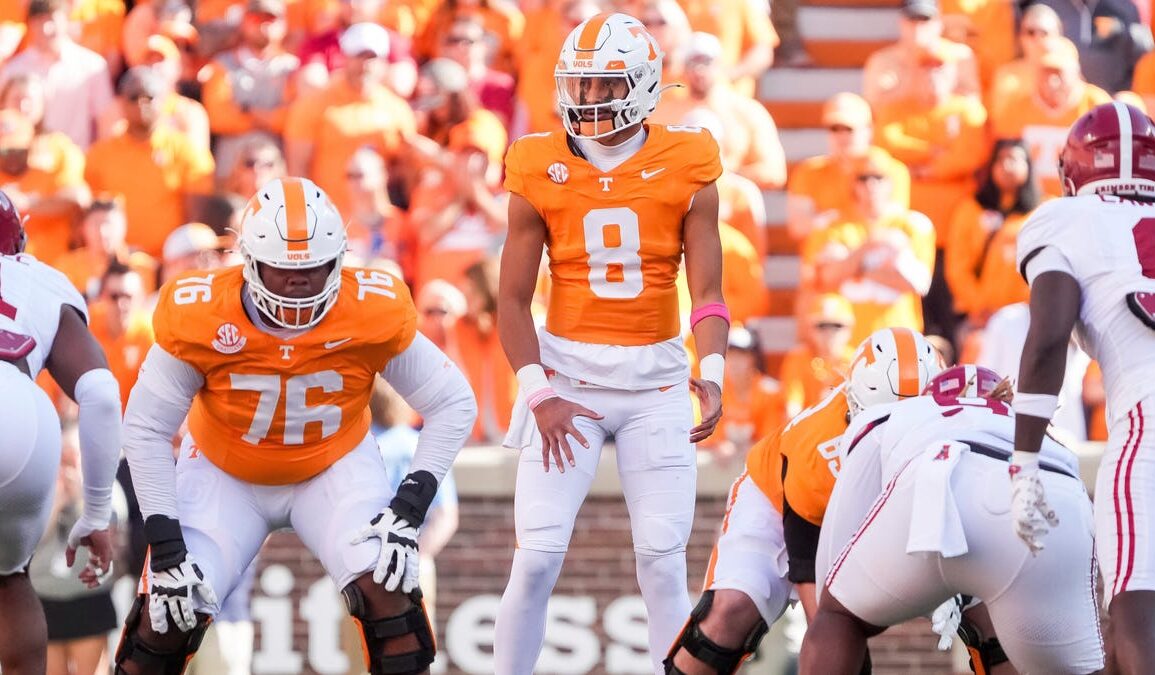
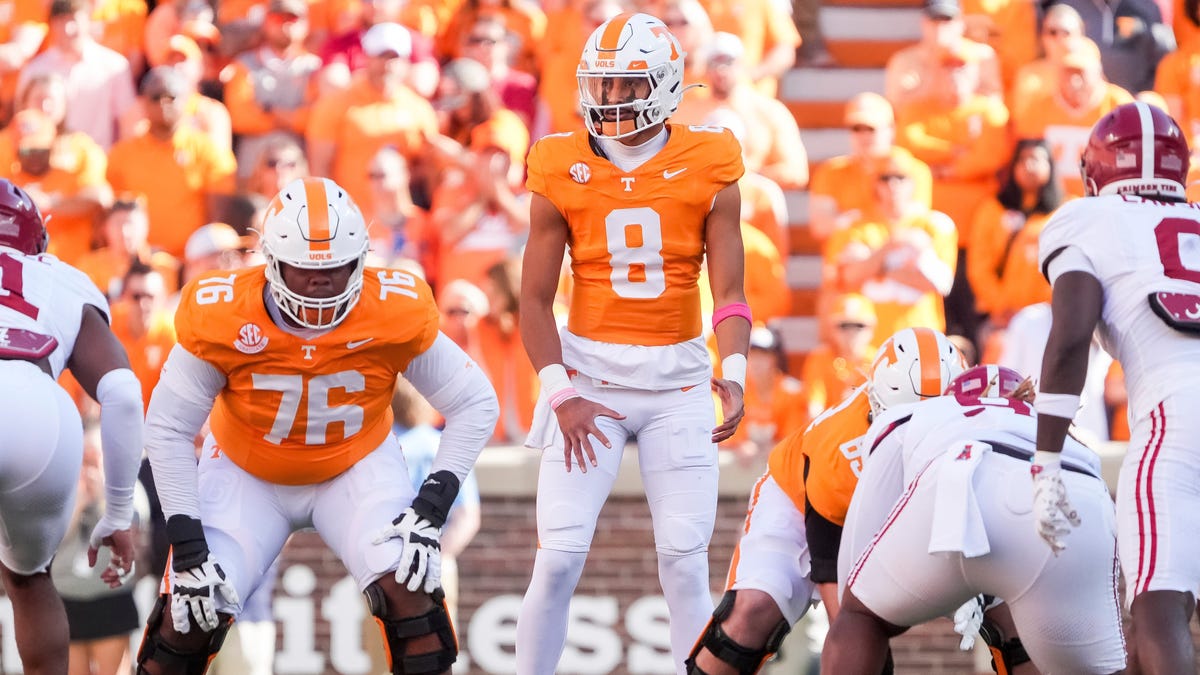
The Nico Iamaleava soap opera could change the NIL game
Name, image, and likeness (NIL) have changed college sports as we know them, in large part for the better. In light of former Tennessee Volunteer quarterback Nico Iamaleava’s recent holdout and rumors of a Westwood future with the UCLA Bruins, all eyes are on the NCAA as the organization wrestles with the dilemma involved in fairly compensating players and producing a watchable product.
Iamaleava is not the first college football player to take issue with the current NIL system. Former UNLV quarterback Matthew Sluka walked away from the Rebels after a dispute over $100,000 from the school in 2024. A pathway has been established for college football players to earn their keep at other programs despite NIL issues.
Iamaleava’s story is different. Sluka was not paid what he was promised at UNLV, while Iamaleava sought further compensation on top of what he already received. Iamaleava staged an ultimately fruitless holdout for more money at Tennessee. What does this mean for college sports in the future? It could become an all-out bidding war or worse.
Certainly, bidding wars and NIL compensation have played a substantial role in college recruiting over the last few years, but not to this extent. What began as a flawed amateur playing ground in the NCAA has become a pseudo-farm system for professional sports where gifted athletes can generate generational wealth well before the legal drinking age. Scholarships and empty promises of playing time are no longer accepted as valid currency in recruiting. What matters is the money paid out to players.
So, what is the future of NIL and the NCAA? Should colleges and universities cut blank checks for players who may bounce on a moment’s notice? Or, should boosters and athletic directors push back and stop printing money altogether? The answer is probably neither.
Collegiate athletes undoubtedly deserve a piece of the pie for the revenue they generate for schools, television networks, and advertisers. In a billion-dollar industry, there must be room for fair compensation while abiding by integral Title IX criteria. Full stop. The conditions, however, of NIL deals must reflect today’s college sports landscape.
NIL deals should be treated as contracts and model that of all professional sports leagues today. There should be clauses and conditions like a salary rather than a lump sum payment upon signing. The longer a player stays, the bigger the payout should be. If the player exceeds the value of their contract, they should be able to restructure for more money based on a fixed revenue proportion. And, if a player wishes to transfer, they should be bound to their initial NIL agreement’s stipulations.
While only a layman’s outline of the future of NIL, any idea that deviates from the current plan would be preferable to the schools and the players. But until this new landscape is established, Iamaleava will likely be the first of many NIL disputes to play out in the coming years. An workable future exists in the NCAA for all parties, but hard work must be done to lay the groundwork going forward.