


The NIL era of college football has been off-putting, to say the least, with legendary coaches of the sport calling for desperate change.
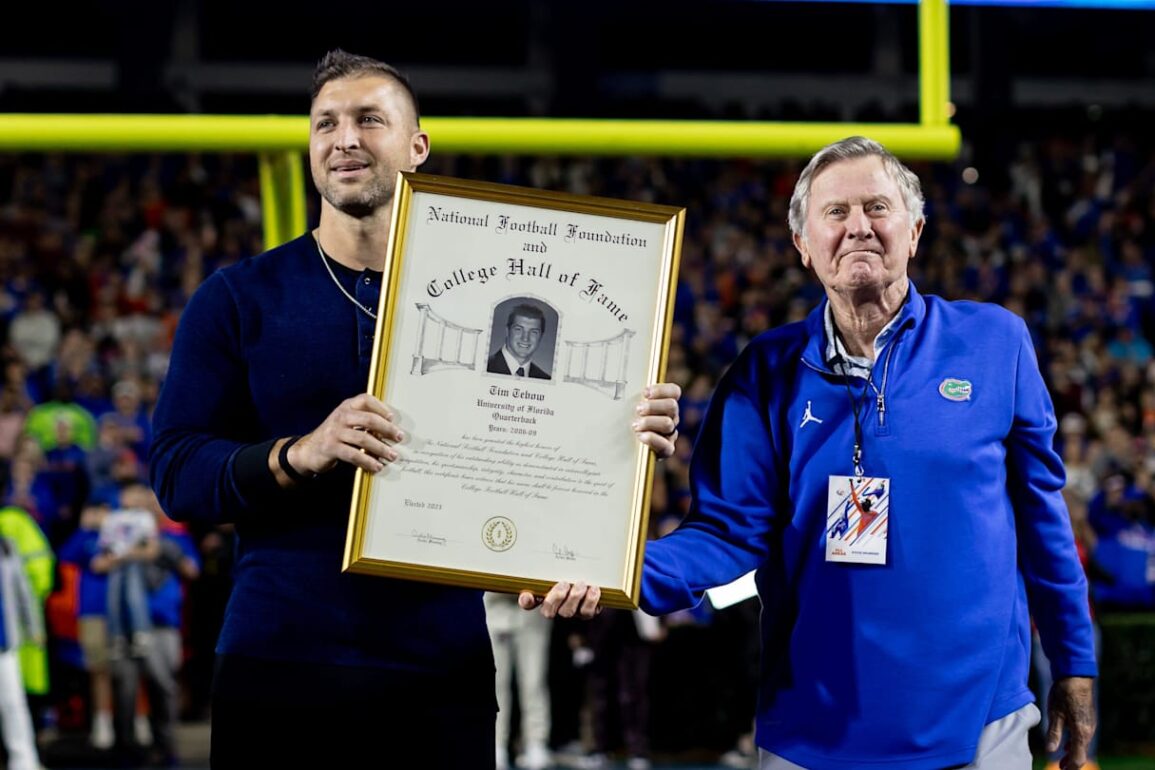
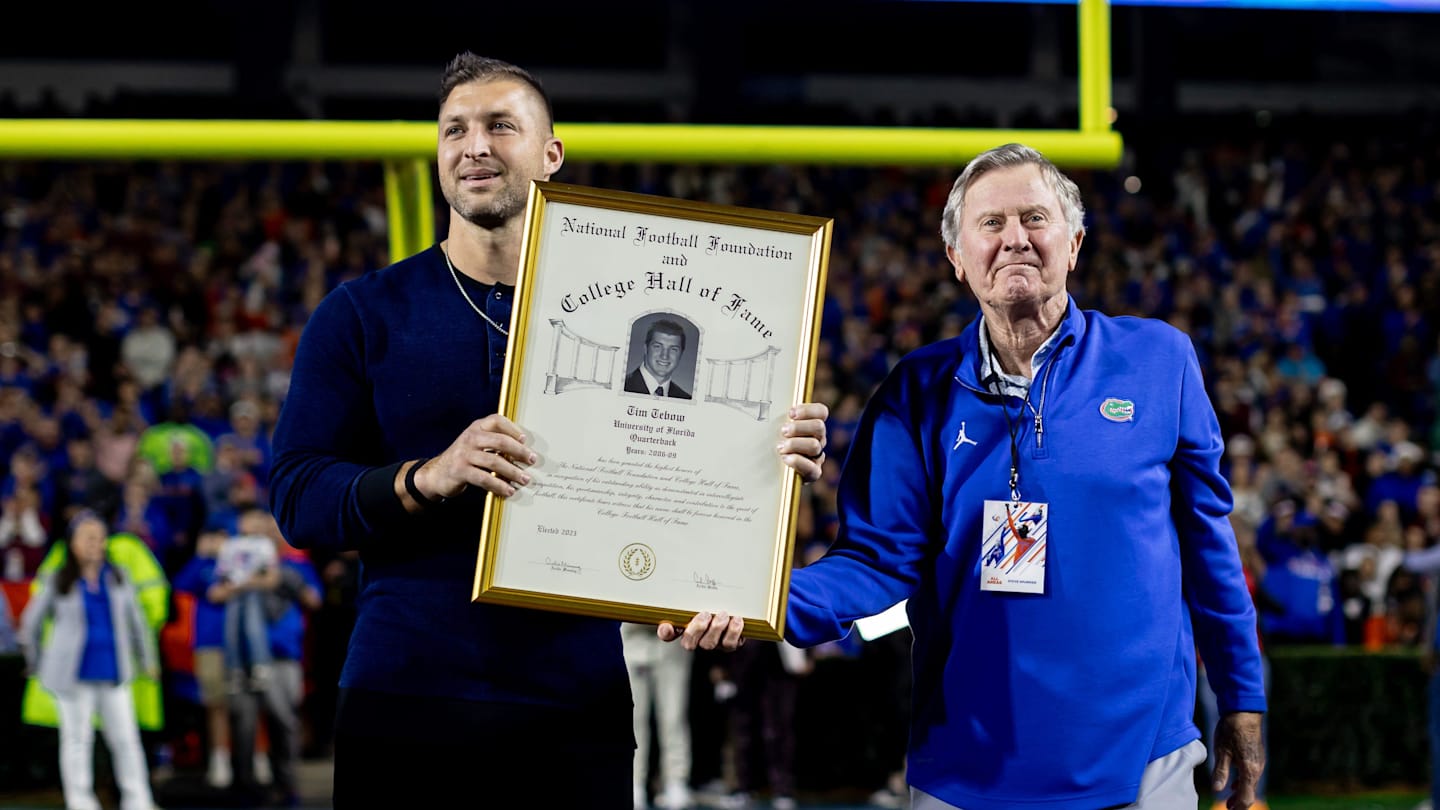
When Steve Spurrier was head coach of the Florida Gators, he didn’t have to worry about the transfer portal and name, image, and likeness as he coached his team to a national title along with six SEC championships.
Spurrier joined Another Dooley Noted Podcast with Pat Dooley to share his perspective on the state of college football as a “very unfair sport.”
The Hall of Fame coach — one of four to ever be inducted as a coach and player — sees parity rapidly vanishing in an unstable market.
“It is a very unfair sport right now,” Spurrier said. “Scott Frost, the new UCF coach, had some comments in the paper here recently, and he said, ‘We’re a school that can’t give out the big money. We don’t have multi-millionaire boosters.’ A lot of these schools have billionaire guys that say, ‘Let me know how much you need.’ He said, ‘We don’t have it, so we’re not going to be able to recruit these guys, or if we do get a really good player, he’s gone the next year’.”
It’s true that some teams just can’t compete as it stands on a financial level with the marquee SEC and Big Ten programs.
That doesn’t make the sport necessarily unfair, but Spurrier calls for some stability in the form of a cap to promote more equity in the sport.
“You would think they have to put a cap on it,” Spurrier said. “I don’t care if it’s $40 million or $20 million. Just put a limit on what people can spend and try to make it a little bit fair. But it’s going to be the same old schools up there every year.”
The transfer portal market for quarterbacks this offseason has done nothing but promote chaos, between quarterback swapping and massive NIL asks that are in the multimillions.
A salary cap wouldn’t have solved the conundrum for the Tennessee Volunteers, who are now paying Joey Aguilar reportedly “seven figures less” than the $2.2 million they were set to pay now-UCLA Bruins quarterback Nico Iamaleava.
Spurrier isn’t naïve to the fact that the top teams will likely ascend to that level and prevail over the underdogs most, if not every, year. He also is cognizant that big spending doesn’t translate in an exact manner to success.
“Although, some of them that spend a lot of money don’t win big,” Spurrier said. “Miami and Texas A&M are big spenders. Cam Ward certainly was a good one. Anyway, I hope we’ll agree to something. Just put a cap on it and give everybody somewhat of a fair chance. It’s still going to be the schools with the most money that are going to be the favorites.”
While that will probably always remain the case, it’s not a bad idea to think about implementing an NIL cap when envisioning the future of the sport.
Without guardrails, the chaos will only continue at an unrestrained level in college football.