



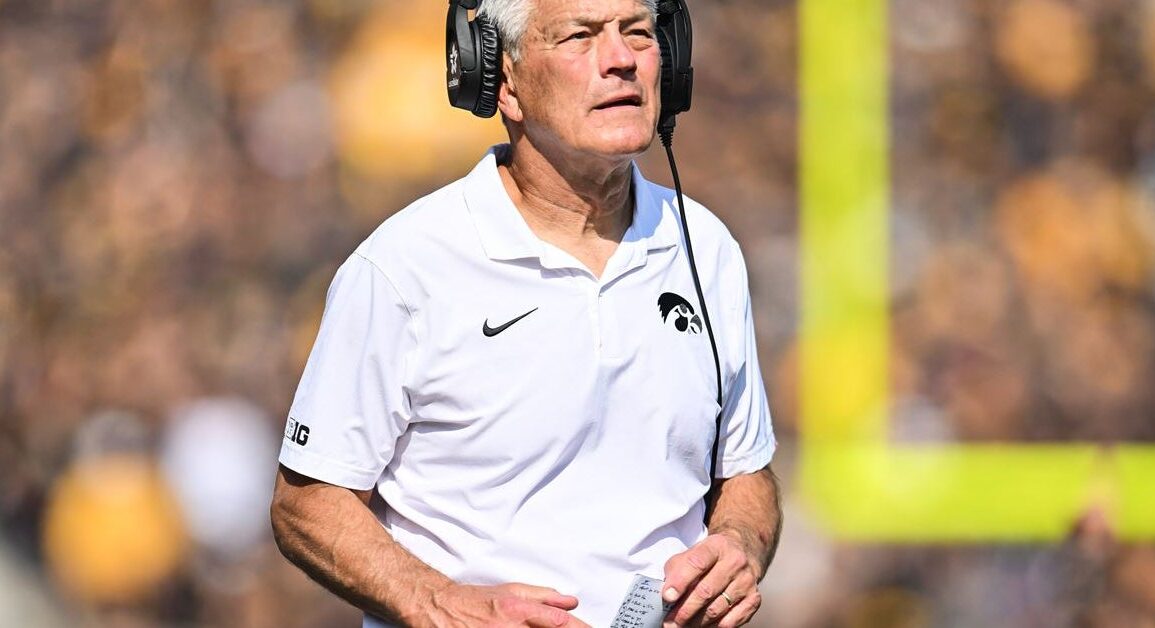
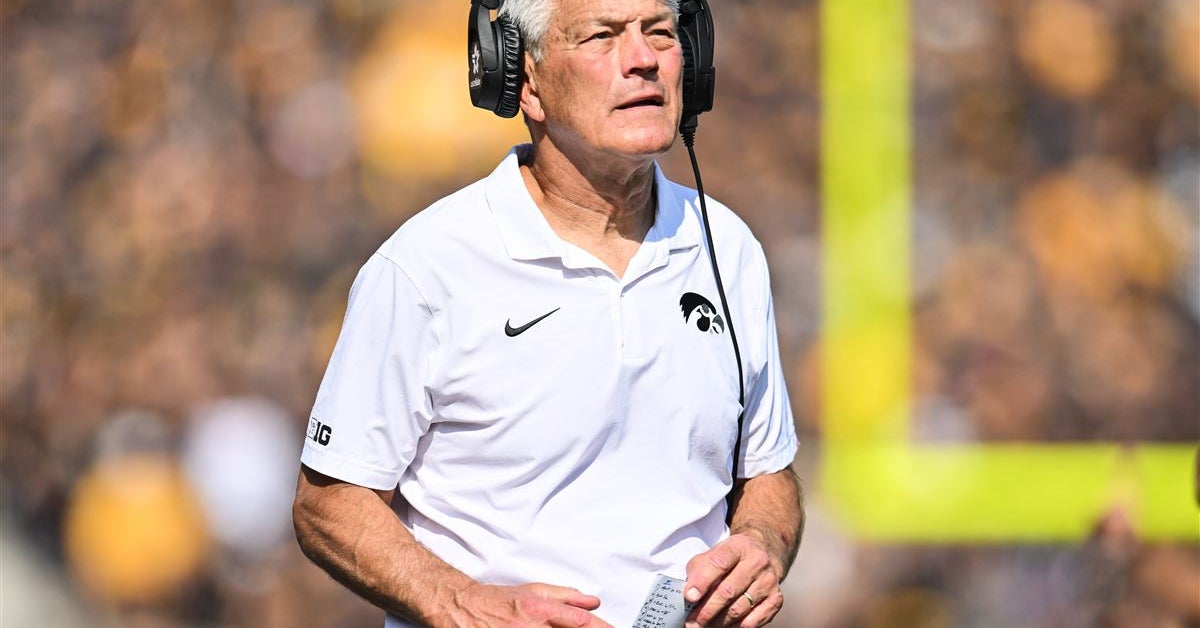
The NCAA unveiled last month its slate of rule changes for the 2025 college football season, but the broad-sweeping alterations to the sport’s landscape go well beyond the new penalties for “fake injuries” and other infractions. Roster limits and revenue sharing are two of the biggest talking points of the offseason as the House v. NCAA settlement brings another wave of newness to college football, and Iowa coach Kirk Ferentz voiced his frustration with the latest developments.
The multibillion-dollar antitrust settlement hangs in the balance in the federal courtroom, and with coaches, players and administrators across college football awaiting the final decisions, it is still not entirely clear how the latest batch of NCAA rules will shape up or when they will go into full effect.
“This really says it all: It’s April 29th and we still have no idea what the rules are here for August,” Ferentz said on SiriusXM College Sports Radio. “Think about that for a second. College football is fairly significant. It’s a big operation. A lot of revenue. That’s all we talk about anymore, is revenue. A lot at stake here, and we still don’t know what the rules are. It shows you just how screwed up things are, quite frankly.”
Roster limits drew the ire of coaches throughout the sport this offseason. While college football programs will be able to dish out 105 scholarships under the revised NCAA framework — up from 85 under the previous model — that is also the maximum number of players permitted on an active roster. Coaches thus had to make cuts to numerous walk-ons this spring.
“The 105 thing is, I think, maybe as significant of a change as anything that’s been discussed, and I think it’s just really not rooted in much good reason,” said Ferentz. “From my vantage point, I’m a coach, I mean, it’s gotta be financially driven. I don’t know how else we would have come up with that number. It’s really not practical in a college environment, in my opinion.”
Most Power Four programs operate in the offseason with spring and fall camp rosters in excess of 120 or 130 players. The NCAA, until the 2025 season, required cuts down to the maximum in-season roster size of 120.
The transfer portal, which already teems with players each offseason, saw a major surge of entrants this spring as programs trimmed their rosters to the pending 105-man limit. Fewer available roster spots also means that many of those transfers could struggle to find destinations.
RELATED (VIP): Emptying the notebook on college football’s wild (and expensive) spring transfer portal window
“I guess that’s one good thing about getting older; I’ve learned not to sweat everything or rise and fall with every little thing that goes on,” said Ferentz. “We’ll figure it out as it goes.”