




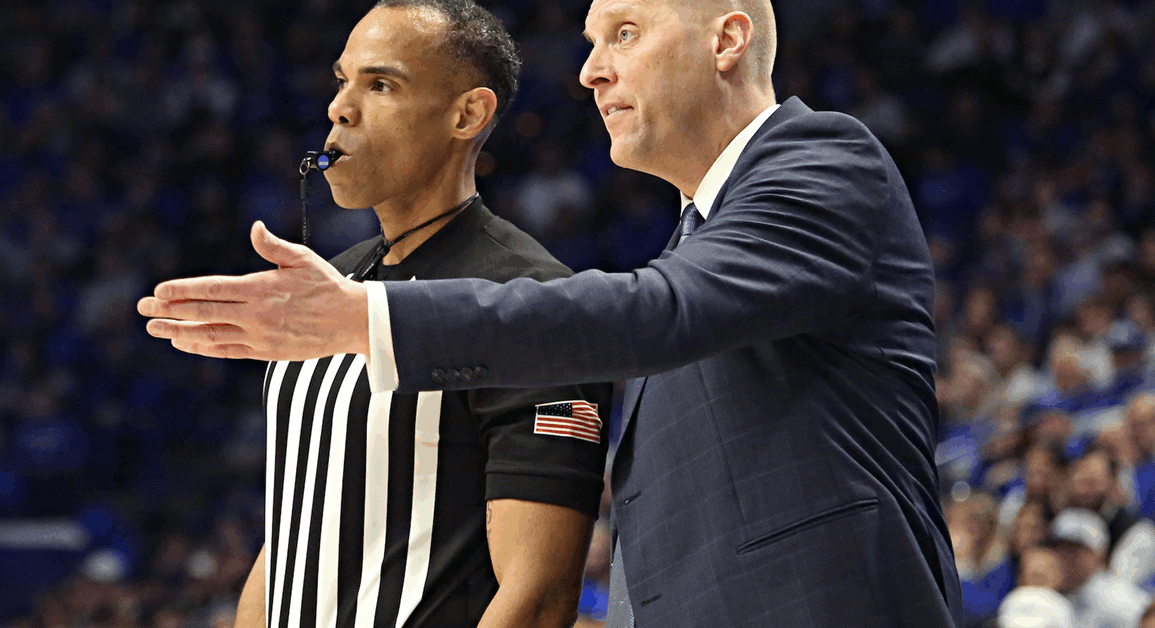
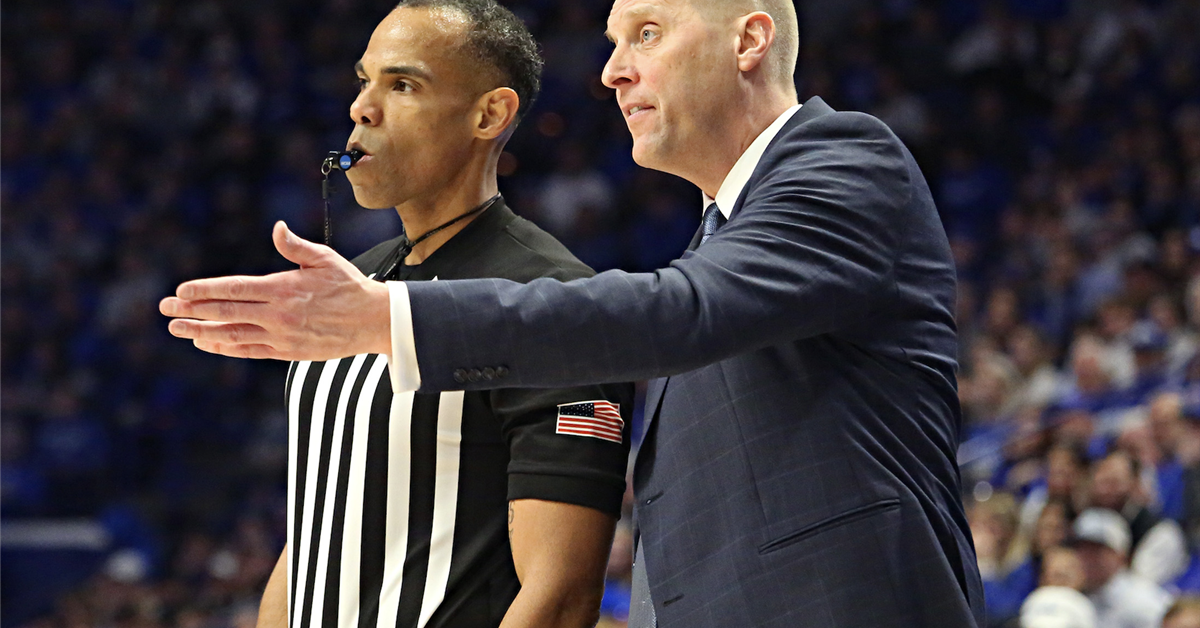
One of the most surefire ways to enact change in college sports is when high-profile coaches speak up on pressing issues, and Kentucky coach Mark Pope — one of the highest-paid leaders in college basketball — did just that early in the 2025 offseason. Pope pushed for a pair of significant rule changes, asking for the NCAA to sanction more games per season and to allow teams to advance the ball after timeouts.
The NCAA recently permitted teams to schedule Division I opponents in exhibition games, which were previously reserved for inferior competition as tune-up opportunities prior to the official opening of the regular season. Pope appreciated the move but said he wants the NCAA to take it a step further.
“We just should have more games,” Pope said on “The Sideline with Andy Katz.” “We need more games. I’d like to get to 40. I’ll take 35, but I’d love to get to 40. One, you have a brand new roster every single year and that’s just the nature of the game right now, so it gives not just your team to grow and get solid together. 40 games is barely enough games to really get to know each other and play elite-level basketball. It also lets your fanbase in one season really get to bond with these guys.”
Pope cited looming revenue-sharing in college athletics as another reason to add games to the schedule and expressed that student-athletes would have more opportunities to capitalize on financial incentives.
“I hope college basketball is going there,” said Pope. “I can’t actually think of a reason why it wouldn’t be a positive thing.”
College basketball and the NBA often move in tandem or follow in each other’s footsteps with regard to rule changes, and Pope said he wants to see one particular professional rule make its way down to the NCAA level. That is the ability to advance the ball past midcourt after a timeout. The NBA permits teams to inbound the ball from the frontcourt after a timeout in the final two minutes of the fourth quarter or overtime, while the college game requires teams to take the ball out from underneath their own basket.
“If I could choose the change that I’d really like to make, that I’d be super excited about; I’d like to be able to advance the ball out of timeouts,” said Pope. “I know it slows down the game, but it makes the game so much more interesting. With 2.5 seconds or 1.5 seconds left, if you don’t have to go full court, if you can advance, you have a chance to get elite-level shots and decision making.”
Get the latest football and recruiting scoop on your favorite college team today.
Proponents of the advancement rule cite higher entertainment value in end-of-game situations as game-tying or game-winning shots become more feasible. Opponents claim that the use of additional timeouts slows the game and that the advancement rule gives trailing teams an unnecessary advantage.