



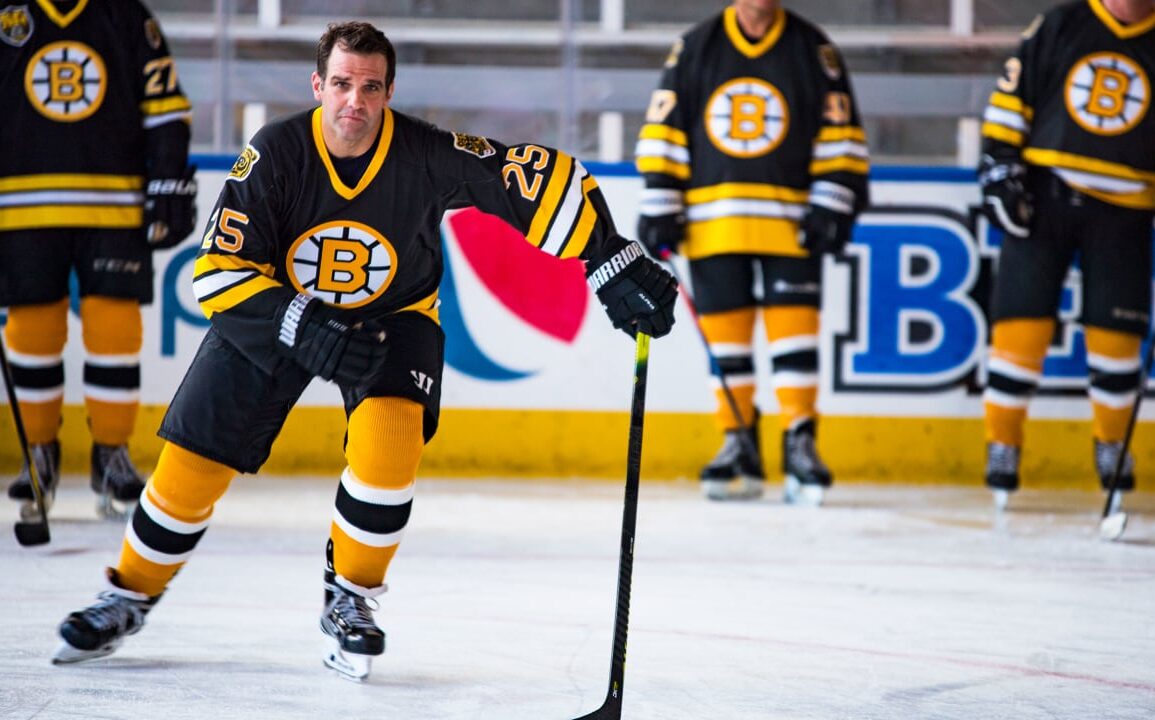
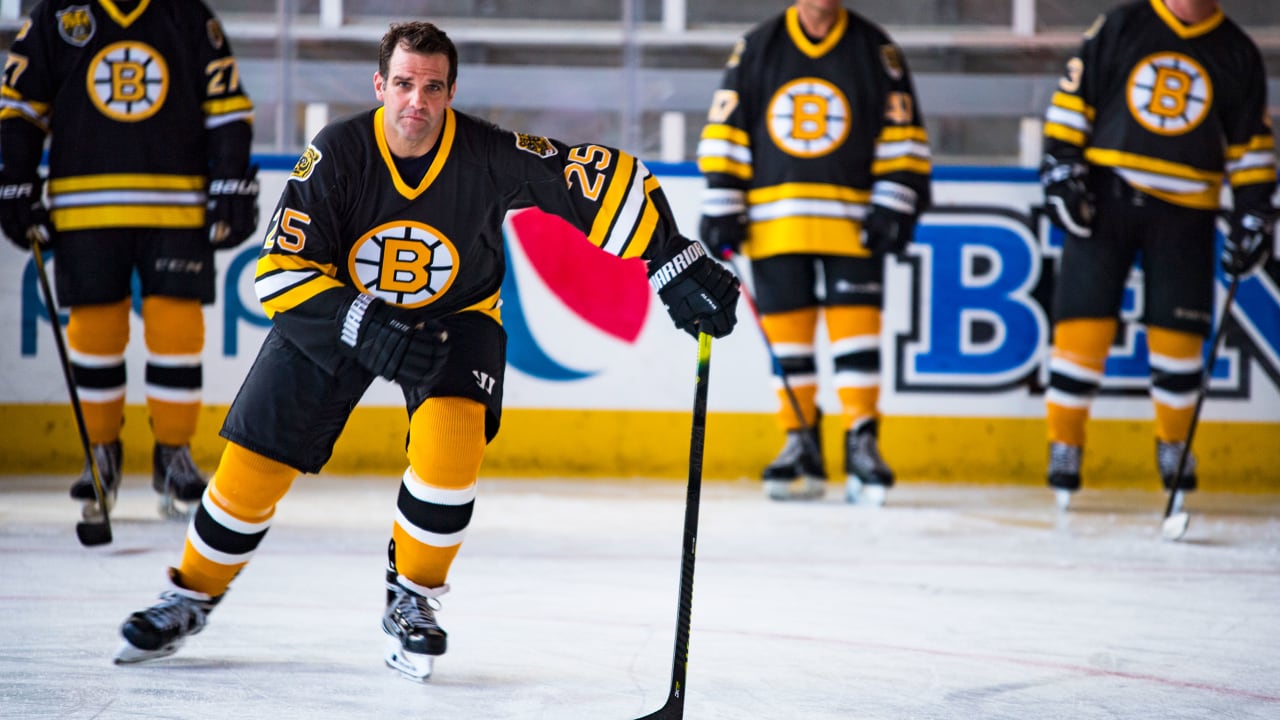
McGovern was with SEAL Team 2, stationed on the east coast, and became an instructor after 10 years in the Navy, before leaving the military. He now works in operations at Ridgeline Defense Training Center in Dalton, New Hampshire.
When stationed in Virigina Beach, he joined a men’s league hockey team, the Bone Frogs, with the Bone Frog long a symbol of the Navy SEALs. It fostered connection with other SEALs and an escape from the demands of his job. The roster stretched to 50 people, with six or seven usually showing up to games because of deployments and training schedules.
“It helps you learn to be a teammate,” McGovern said, of hockey. “Especially in hockey, there’s unwritten rules. You’re on a team and you defend your goalie, you defend your players, and you learn how to play on a team. It really, really correlates to being in the Teams. When you get on a SEAL Team, that team aspect is huge.”
Through hockey, and the Warrior For Life Fund, McGovern has played against former NHL players, has started a game with Ray Bourque, passing the puck to him off the face-off at Madison Square Garden in a fundraiser between Bruins and New York Rangers alumni.
The sport has been a lifeline for him.
“For me, it’s therapy, physically and mentally,” he said. “Every time I got hurt — I ended up hurting both my knees in Teams and my shoulder — and what I did was I’m on crutches and I ride the bike, and the first thing I did was try to get on the ice.
“For me, it’s always been, get out there and it actually heals yourself up a bit, mentally and physically. It’s therapeutic.”
It saves lives, as Miller said.
“Hockey is directly saving lives for these guys,” he said. “It just means a lot. To be a part of that is really, really special.”
McGovern referenced an Instagram post by Warrior For Life, a first-person perspective of a player walking on the ice with a background filled with noise, phone calls, conversations. The moment he hit the ice, it went silent.
“I was like, oh my god, that’s exactly it,” McGovern said. “The moment I hit the ice, everything is silent, I forget what is going on and just play the game.”
It’s why he still plays. It’s why, when he sees guys that he served with who are struggling, who need a hand, he urges them to play hockey, to be on a team again, to be active. As he put it, he is “constantly pushing guys into the rink.”
“It’s always been a stress reliever for me,” McGovern said. “Especially after the game, I get in the car and I’m unbelievably de-stressed. I’m really relaxed on my drive home. Everywhere I’ve gone I’ve always sniffed out a game, sniffed out a rink. Especially in the Teams — you’re traveling, you’re busy, you’re nonstop — it’s a high pace and there’s a lot of risk involved.
“Any time I saw a rink available, on a day off I’d go play. It was like a reset. I still use it like that today.”