




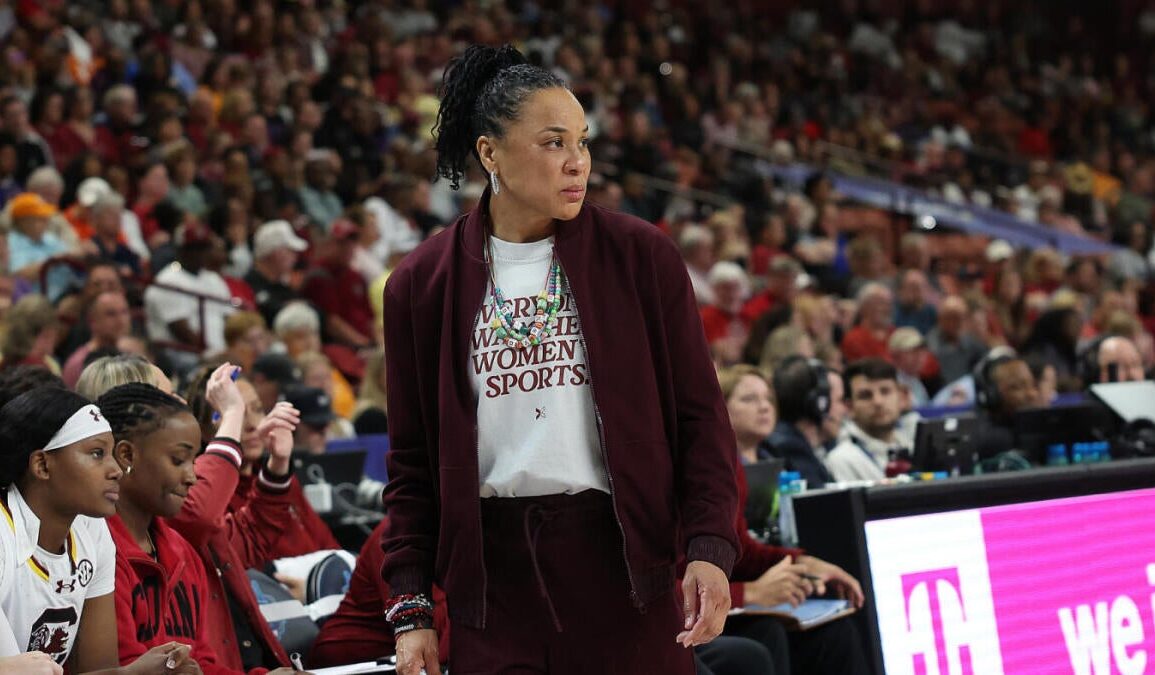
The upcoming NCAA v. House settlement is poised to reshape the financial landscape of college basketball, especially for women’s teams. With athletic budgets constrained to $20.5 million, schools face fierce competition for resources, prioritizing funding based on revenue-generating sports like football. As a result, coaches like Dawn Staley (South Carolina) and Jeff Walz (Louisville) are fighting to secure more funding for their successful programs, which often operate at a loss. Meanwhile, power dynamic shifts are evident as schools in the Big Ten and SEC grapple with significant revenue allocations to football, potentially sidelining basketball interests.
By the Numbers
- SEC allocates 75–80% of revenue share to football, leaving 5% each for women’s basketball and other sports.
- South Carolina’s women’s basketball program loses an average of $5 million per year despite significant fan engagement and revenue generation.
State of Play
- Louisville and South Carolina are competing for funding amidst tight budgets and escalating player compensation demands.
- Coaches are navigating a zero-sum environment, where increased financial support for one program typically comes at the expense of others.
What’s Next
The approval of the House settlement may prompt a wave of spending and strategic shifts in recruitment, as teams scramble to position themselves financially. This could lead to an increased focus on revenue-generating programs, exacerbating disparities within collegiate athletics.
Bottom Line
If athletic directors aren’t proactive in balancing resource allocation, teams may struggle with retaining talent, leading to potential declines in competitive success across multiple sports.