
Maybe it’s reasonable for a major sports team with a beloved fan base to seek to “break even.” Maybe all the properties and businesses that surround the Cubs – but aren’t technically Cubs revenue – aren’t cash cows. Maybe the Cubs really were maxed out last year before signing Cody Bellinger, and thus lost money on the season. Maybe the massive appreciation in the value of the Cubs asset doesn’t matter when talking budget. Maybe there are good reasons to be concerned about future revenues and a looming labor battle, and maybe infusions of private equity capital has nothing to do with any of this.
Maybe the whole of the offseason talk about how cheap the Chicago Cubs’ owners have been, relative to their market size and fan base and opportunity this season, is entirely unfair when you consider all the context.
Maybe, maybe, maybe.
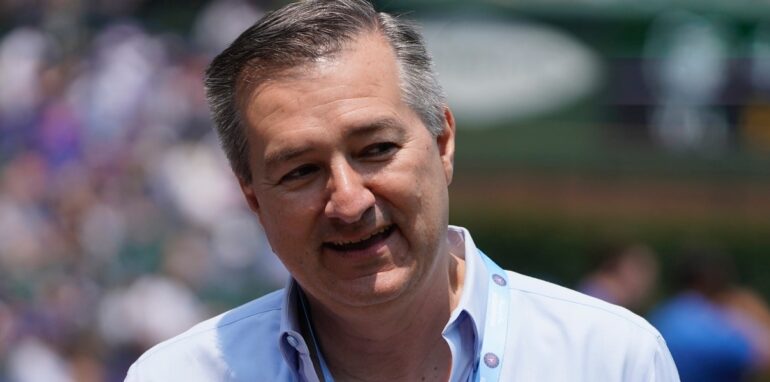
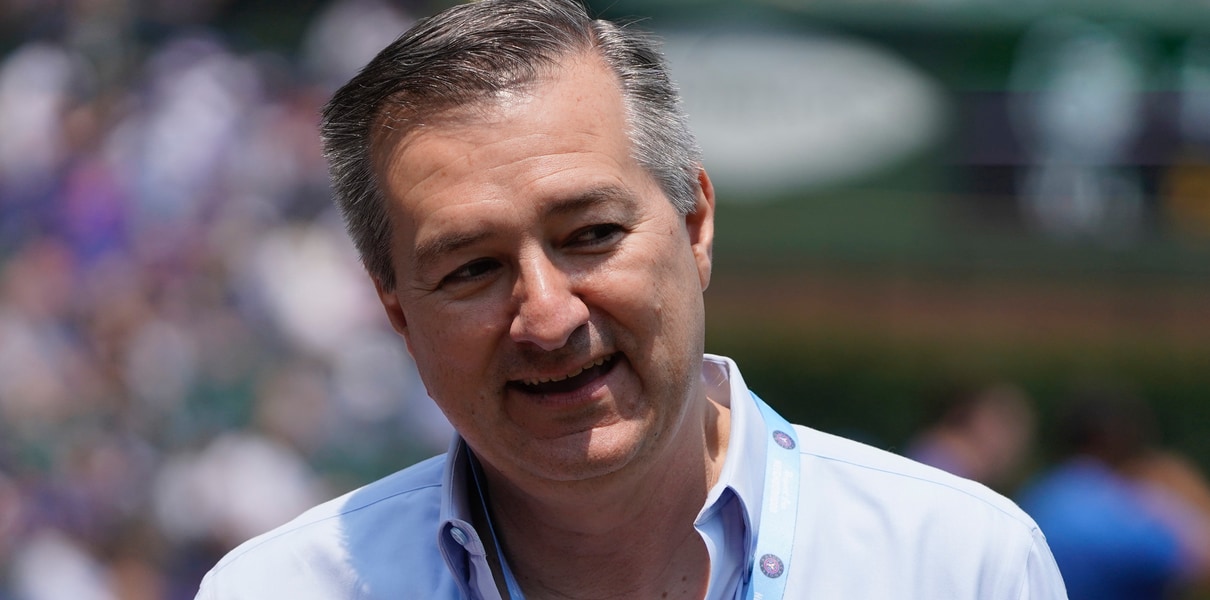
Chairman and Owner Tom Ricketts elected not to meet with the media last week on his annual visit to the start of Spring Training, so I can’t add too much more on that side of the ledger. Meanwhile, the hammering continues from various quarters, and I thought you might want to read/watch it.
Lots of options to choose from to share, but let me start with today’s bit from Buster Olney at ESPN. Among his comments, including a brutal intro (the math of which might have to be tweaked post-Justin Turner signing, but the point stands):
“Hurricane Milton wrecked the Tampa Bay Rays’ ballpark last fall, leaving them without a stadium. For this season, they will play their home games in the Yankees’ spring training facility, which has a capacity in the range of 11,000 fans.
And yet the Rays have outspent the Chicago Cubs in free agency this winter ….
Nothing about the Cubs’ offer [to Alex Bregman] could’ve given them a legitimate shot at landing a player who would’ve been a perfect fit …. It was as if the Cubs wanted Bregman to play for less money and the privilege of being part of their organization.
But it’s hard to see that being appealing enough to convince someone like Bregman, who has played in the postseason in every year of his career and aims to continue that tradition. Despite the fact that the Cubs are playing in baseball’s land of opportunity, the incredibly weak NL Central, they’ve given no indication that winning is actually a priority. Making money seems to be the modus operandi.”
It goes on from there, with Olney sparing very little distaste for what the Cubs haven’t done this offseason, and seeming to lay the blame at the feet of a significantly-contracted payroll.
(You might be tempted to note that the Cubs added salary via trade this offseason – Kyle Tucker, Ryan Pressly, and Ryan Brasier – but the Cubs also dedicated the Cody Bellinger trade to unloading salary. With payroll down as much as it is, I’m not inclined to offer up a semantic defense about what the Cubs have “spent” in “free agency.”)
Meanwhile, the Athletic duo of Sahadev Sharma and Patrick Mooney went in on the team’s spending on the North Side Territory podcast in the wake of Alex Bregman choosing the Red Sox. A choice quote from Sharma:
“How about you give [the front office] the money to act like a big market team? … It’s sad that we have to listen to this. There’s a reason Theo Epstein left. There’s a reason they weren’t adding after they added Yu Darvish. And suddenly they’re just not this big market team that can go and spend and act like the Chicago Cubs …. The NL Central cannot compete financially with the Chicago Cubs. They can compete in other ways. And now you’re not giving [the team] that full advantage, and you’re handcuffing this front office. And thankfully I feel like I’m seeing some people more and more talk about how this is mostly on ownership. Act like a big market team. Stop with this nonsense. It’s a joke.”
There’s a lot more in that pod, but it is hard to pull a snippet that better sums things up than that. I’m sure Sharma’s comments resonate with a lot of fans right now, even as we are also excited to see how this team competes in 2025.
Ken Rosenthal – no stranger this offseason to taking Cubs ownership to task – was at it again. Among his very pointed comments:
“[O]wner Tom Ricketts authorized an offer that was only Bregman’s fourth highest in total guaranteed money: four years, $115 million, with opt-outs after the second and third years, according to The Athletic’s Patrick Mooney ….
The Cubs in 2023 were top five in both revenue and franchise value, according to Forbes.
But their current estimated luxury-tax payroll ranks 14th, according to Baseball Prospectus. They potentially are wasting what likely will be their only season with Tucker, who would have benefited from the addition of Bregman to the lineup. If Ricketts couldn’t land Bregman on a short deal, why should anyone expect him to keep Tucker long-term?
It’s not as if Ricketts’ payroll commitments are suffocating. Only two Cubs are under contract past 2026: left-hander Shota Imanaga (through 2027 if he exercises player options) and shortstop Dansby Swanson (signed through 2029). The team is more than $31 million under the luxury-tax threshold and possibly could have remained under even if it had signed Bregman, through deferrals or other moves. President of baseball operations Jed Hoyer, however, told reporters the organization ‘philosophically’ has avoided the kinds of large-scale deferrals other teams employ.
These words from Hoyer, regarding his case to ownership for Bregman, were telling: ‘I realize this is a financial stretch above our budget, but I realize this is the moment to do it.’ The Cubs are projected to win a weakened NL Central even without Bregman, but his addition might have sealed the deal. He was a better fit for their roster than he is for Boston’s. And by getting him on a short deal, the Cubs could have given additional development time to third-base prospect Matt Shaw.
If not now, when? Lately, with Ricketts, the answer seems to be ‘never.’”
Ken Rosenthal built on his comments here on Fair Territory, when he noted that it’s not just Cubs ownership coming up short these days, but clearly Rosenthal believes they are not spending what they should be: